Real life cases
AI in My Daily Work
Real stories of how I use AI to run my businesses: six systems from my own operations, plus two small tests I ran on purpose. Each one says what it is: observed by a second set of eyes, reported by me, or tried in a controlled test. When a number is mine alone, it says so.
The one you can check right now
This site publishes every morning. I steer, the system ships.
Research, drafts, design and code are done with agents. I review, adjust the voice and approve. One article publishes itself each morning; everything else waits for my OK.
Checked on the public feed on 2 Nov: at least one article every day from 27 Oct through 2 Nov, a newsletter that reached all 3 subscribers on 29 Oct, and a live welcome page for new subscribers. I still choose topics and style, so this is not zero touch. The streak is measured output; the hours it saves are not yet measured.
 Illustrated scene
Story 01 / Renovate AI
The inquiry that stopped waiting for me to wake up
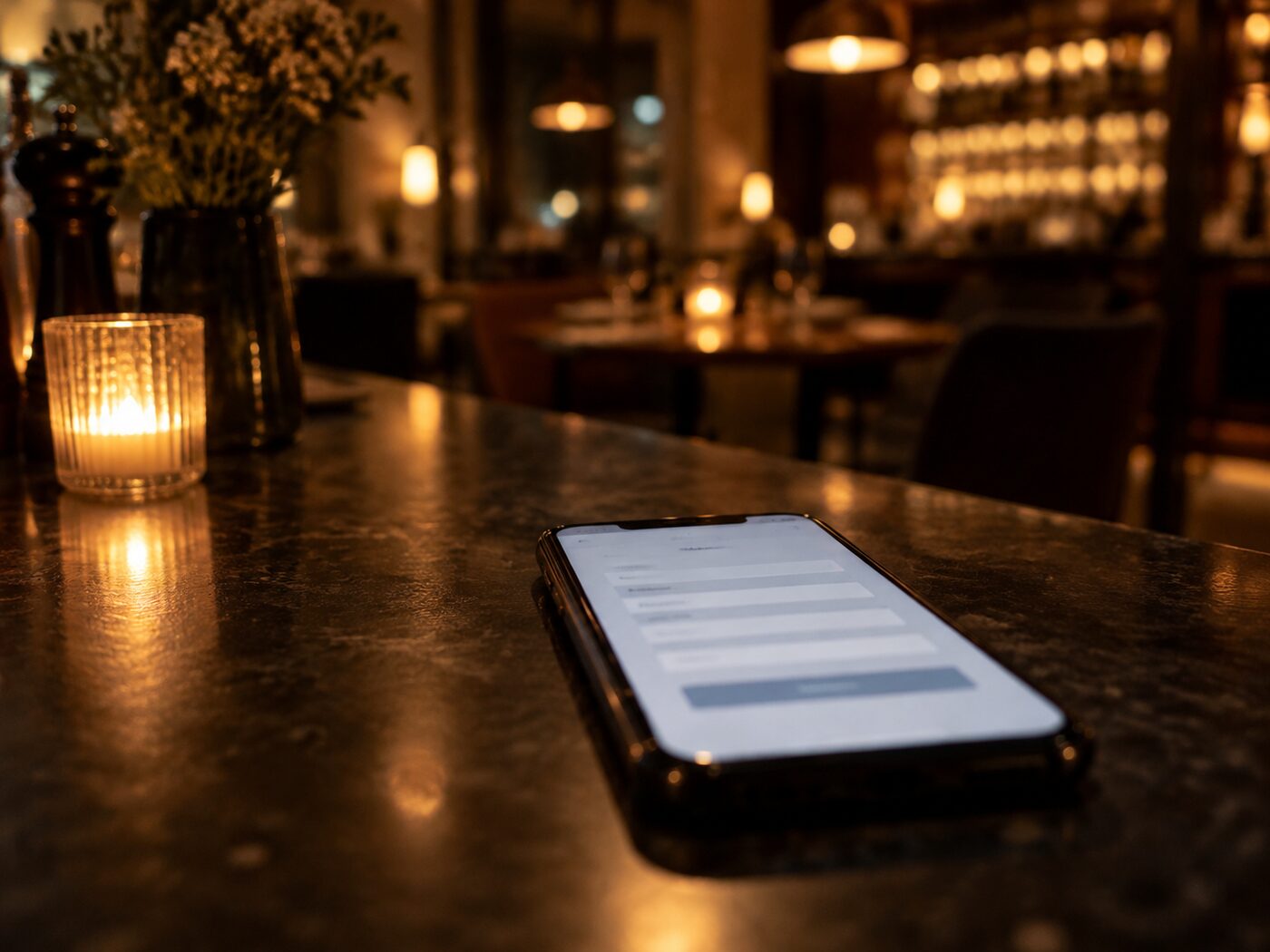
A restaurant owner sends an inquiry at 11:06 PM. In my old workflow it sits in an inbox until 9:03 the next morning, then waits while I type it into a spreadsheet and decide who should know. In the workflow I built, the form creates a CRM record in seconds and alerts the right people, while I still read every lead and write the response myself.
9h 57m
Invisible before, my report
22s
To CRM and alert, my report
Evidence and method
Two parts, kept separate. The late night inquiry is a real event from my business, as I remember it. The workflow was verified in a controlled test with trial submissions, not customer data: CRM records appeared and the Slack alert fired. The Telegram alert is in my setup notes; I have not pulled its delivery receipt, so I do not claim it. The drop from 9 hours 57 minutes to 22 seconds is my account of that evening. It measures how long an opportunity stayed invisible, not hours of labor saved.
 Illustrated scene
Story 02 / Equipment sales
From a vendor PDF to a quote a customer can sign
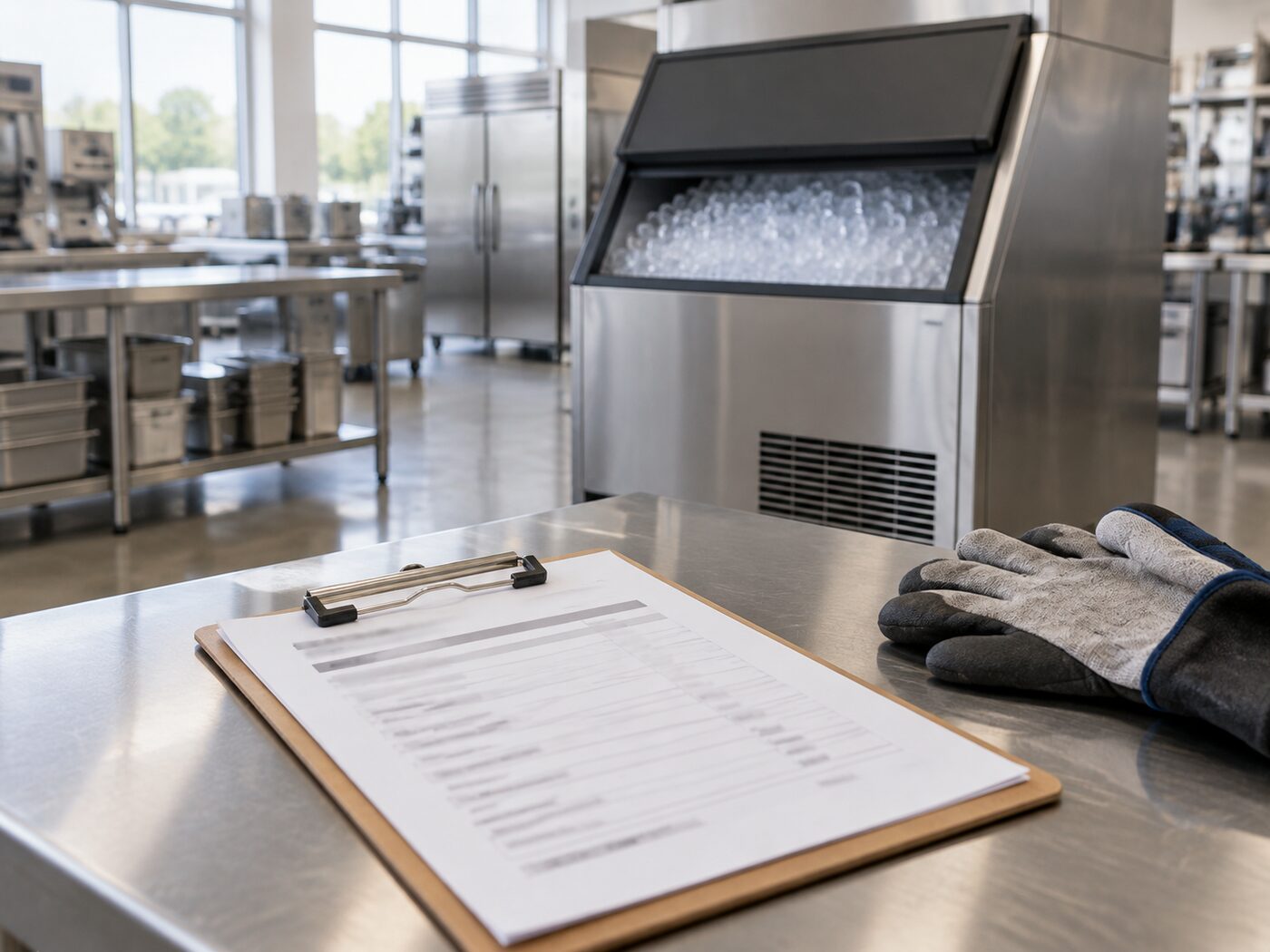
A manufacturer sends a technical quotation. My customer needs something else: the right model, clear terms and a next step. AI does the transformation and the first pass at formatting. I choose the equipment, check fit and price, and own the relationship.
The latest was an emergency ice machine. The saved time went into verifying the specification, because a wrong condenser costs more than an hour of admin.
74 min
Preparation before, my report
27 min
With the system, my report
Evidence and method
Documented in my Claude project history. The minutes are my report. The margin on a quote is commercial and stays private.
 Illustrated scene
Story 03 / The books
Records my CPA can actually open
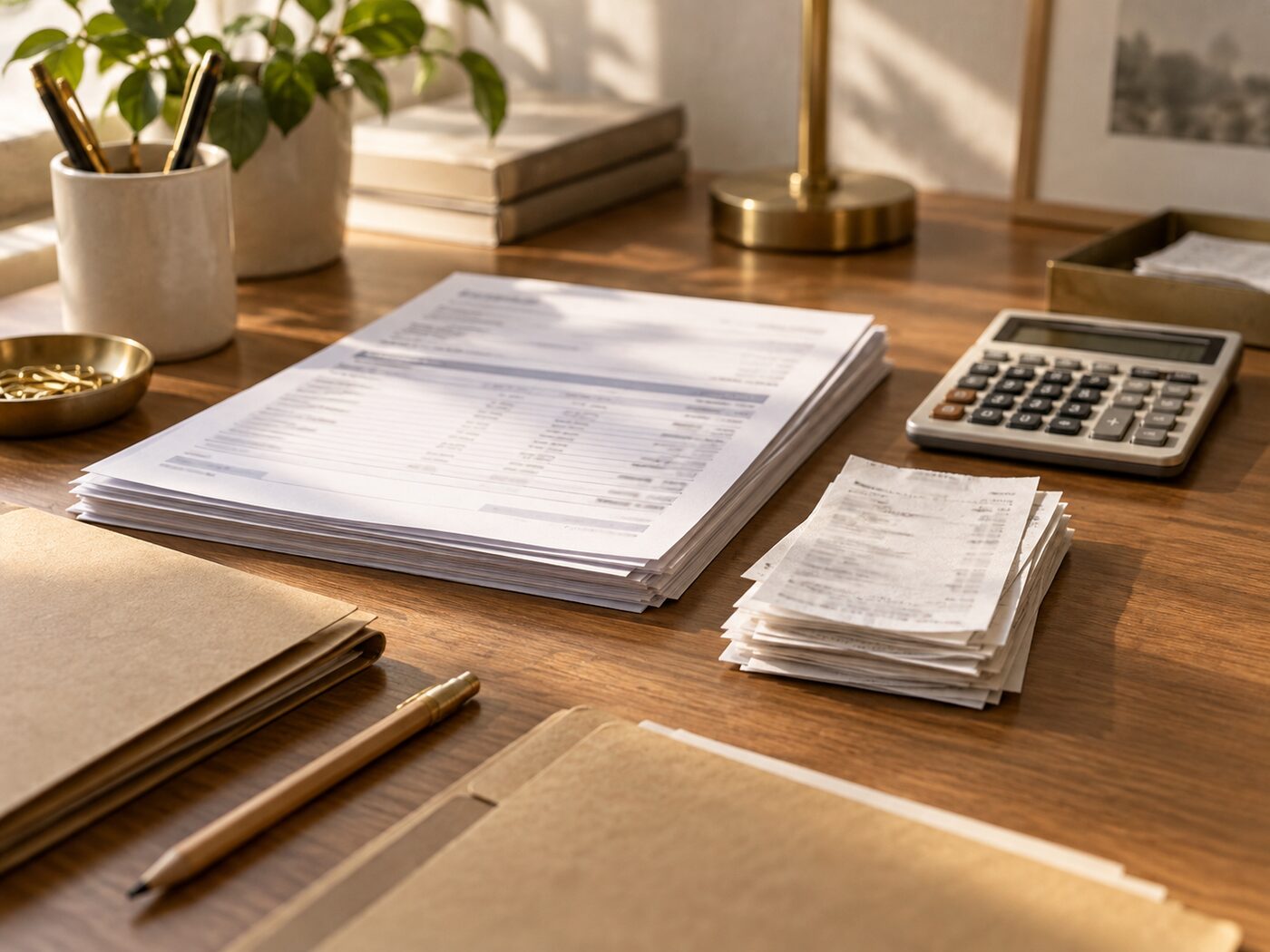
Bank exports, card statements and transfers arrive in different formats with duplicates mixed in. The workflow merges them, proposes categories and hands me a prioritized list of exceptions instead of a month of rows to inspect one by one. My CPA gets organized records. I keep the judgment.
9h 10m
Messy month before, my report
2h 25m
With the system, my report
121
Transactions in one cycle
Evidence and method
One documented cycle covered 121 transactions. I have run this three ways; they are separate versions of the same kind of month and are never added together. Times are my report. AI prepared the records; the CPA still signs off.
 Illustrated scene
Story 04 / Turo hosting
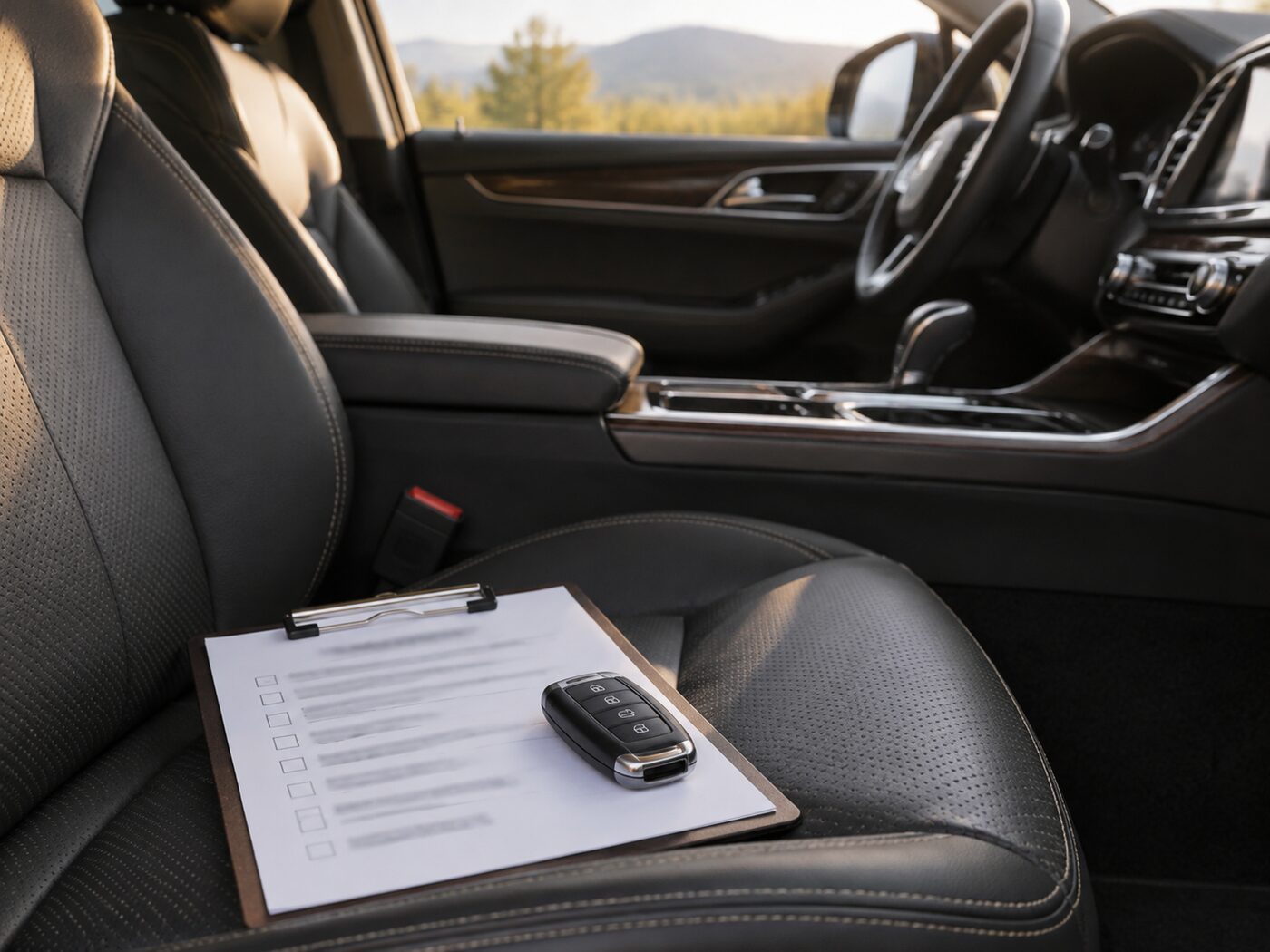
One Range Rover, run by a checklist
Guest messages, pricing checks, pickup and return details, tolls. The repeatable parts became templates and a schedule. I handle the decisions and the exceptions.
1 to 3h
A day before, my estimate
1 to 2m
Of my time now, my estimate
Evidence and method
The car was relisted after an inspection hold and the first booking ran on scheduled messages, per my records. The time figures are my estimate, not a stopwatch, and I am logging a real week to find out. Earnings stay private.
 Illustrated scene
Story 05 / Marketplaces
The batch that showed its receipts
Sixteen listings rewritten, ten relisted and verified, and a final report that separated finished work from what still needed platform approval or my attention. The report was the valuable part.
I was not looking for a bot that says everything is done. I wanted one that tells me where it stopped.
16
Listings rewritten
10
Relisted and verified
6
Needed approval or my call
Evidence and method
Reported in my project histories with per item status. A watch sold during the same period; I do not credit that sale to AI, so it is not part of this story.
 Illustrated scene
Two small tests, run on purpose
The repaired prompt won both trials
Loose instructions needed a second round two out of two times. Instructions with an objective, a format and a stopping rule finished in one. Two trials is a hint, not a statistic, so that is all I claim.
A tool that earned a no
I tested whether converting documents first would cut processing cost. One 33 page report came out about 6.1 percent larger, so I dropped the idea. One document, one metric, one honest no.
Governance
The rules I set for every agent
01
Nothing sends, spends, books or publishes without my approval. One exception I chose: the morning article publishes itself, on a routine I set and still review.
02
Each tool should get only the access it needs, and each business keeps its own records.
03
Always on work is meant to run on free local models where that is practical. Paid usage gets watched and kept separate.
04
Consequential code should get an independent review before it ships.
The free letter
Want to know more?
Sign up for the free letter for more practical AI stories, the setups I use, and what I still check myself.